
Environmental Approval / NOC
Environmental approval is a critical requirement for all major development and industrial projects. It ensures that proposed activities comply with environmental regulations. The process evaluates potential impacts on air, water, soil, and biodiversity. It also considers community health, safety, and social well-being. Environmental impact assessments are often required before approval is granted. Authorities carefully review project plans and technical documentation. Approval helps prevent damage to natural resources and ecosystems. Environmental audits identify compliance gaps and corrective measures.

Environmental Impact Assessment (EIA)
EIA helps decision-makers understand environmental consequences before approval. The process ensures sustainable development and resource protection. Baseline studies are conducted to assess existing environmental conditions. EIA includes both positive and negative impact analysis. Mitigation measures are proposed to minimize harmful effects. Public consultation is an important part of the process. It gives communities a voice in project decisions. Environmental audits identify compliance gaps and corrective measures.

Initial Environmental Examination (IEE)
It provides an early stage evaluation of project risks and opportunities. IEE examines impacts on air, water, soil, vegetation, and wildlife. The process also considers effects on human health and local communities. Baseline data is collected to understand existing environmental conditions. Possible negative impacts are identified through site surveys and analysis. Mitigation measures are proposed to address environmental risks effectively. Public consultation may be included depending on the project scale.

Environmental Management System/ Planning (EMS/EMP)
An Environmental Management System (EMS) or Environmental Management Plan (EMP) is a structured framework for managing environmental responsibilities. It helps organizations identify, monitor, and control their environmental impacts effectively. EMS sets clear objectives and targets for sustainability and compliance. It ensures proper waste management, pollution control, and resource conservation. The system integrates environmental practices into daily business operations. Regular audits and reviews improve accountability and performance. An EMP outlines strategies, responsibilities, and timelines for implementation.

Environmental Testing & Monitoring Program (EMP)
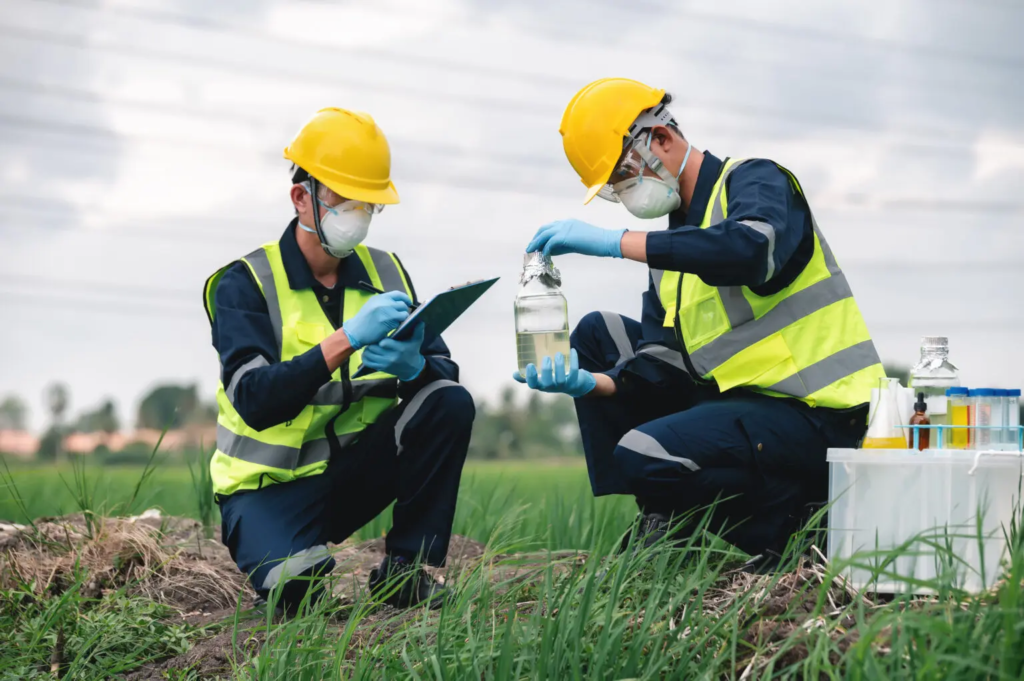
An Environmental Monitoring Program is a structured process used to track and evaluate environmental conditions over time. It plays a vital role in identifying changes caused by industrial, agricultural, and developmental activities. The program focuses on monitoring air, water, soil, and biodiversity to ensure environmental quality is maintained. Regular monitoring ensures strict compliance with national and international environmental laws. It provides early warnings of pollution and resource degradation before serious harm occurs. Data collected through monitoring supports better planning and decision-making.
Health & Safety Management Plan (HSMP)
A Health & Safety Management Plan is a systematic framework used to identify, assess, and control workplace health and safety risks. It plays a crucial role in preventing accidents, injuries, and occupational illnesses during project activities. The plan focuses on worker safety, use of protective equipment, emergency preparedness, and safe operating procedures. Regular safety inspections and training ensure compliance with national and international health and safety regulations. It provides early identification of hazards and unsafe conditions before serious incidents occur. Effective implementation of the plan promotes a strong safety culture and ensures the well-being of all workers throughout the project lifecycle.

Solid Waste Management
Solid waste management involves the systematic control of waste generation, handling, treatment, and disposal in an environmentally sound manner. It plays a vital role in minimizing environmental pollution and protecting public health. The process focuses on waste segregation, collection, storage, recycling, and safe disposal practices. Proper waste management ensures compliance with national and international environmental regulations. It helps reduce the volume of waste sent to landfills and promotes resource recovery. Effective implementation of solid waste management practices supports cleanliness, sustainability, and long term environmental protection.
Environmental Audit
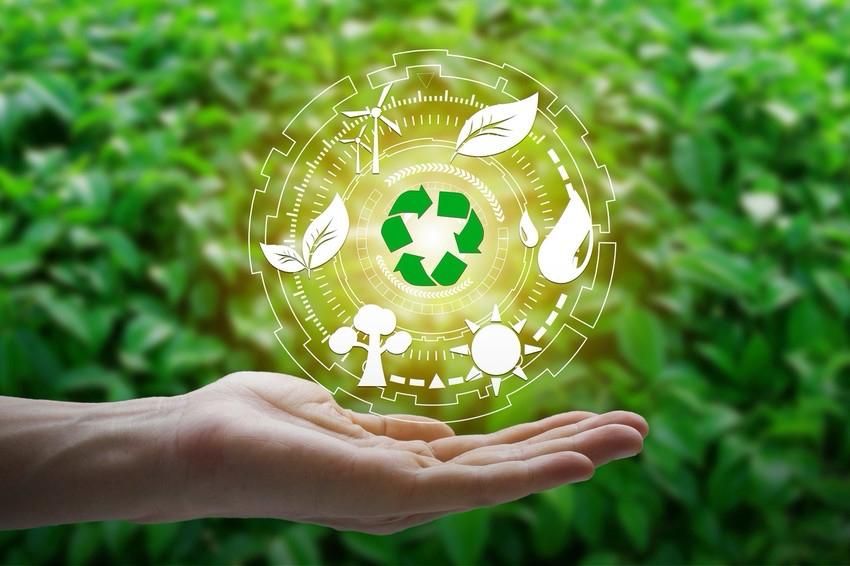
The audit reviews policies, practices, and resource management strategies. Its primary aim is to reduce risks and harmful environmental impacts. Audits generally cover air, water, soil, waste, and energy use. They assess the efficiency of operations and resource consumption. Through this process, gaps in compliance and performance are identified. Corrective and preventive measures are recommended to address shortcomings. Environmental audits ensure that sustainability goals are consistently met. They involve reviewing permits, records, and monitoring reports in detail. Site inspections are often carried out to validate findings.
Compliances / Certifications (Environment & Social)
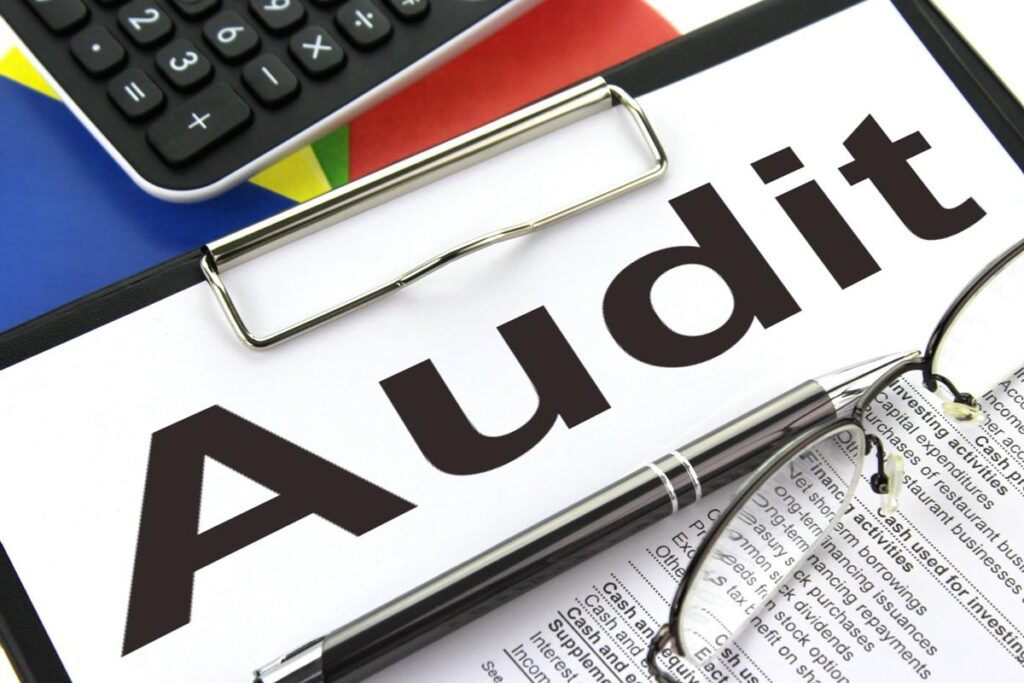
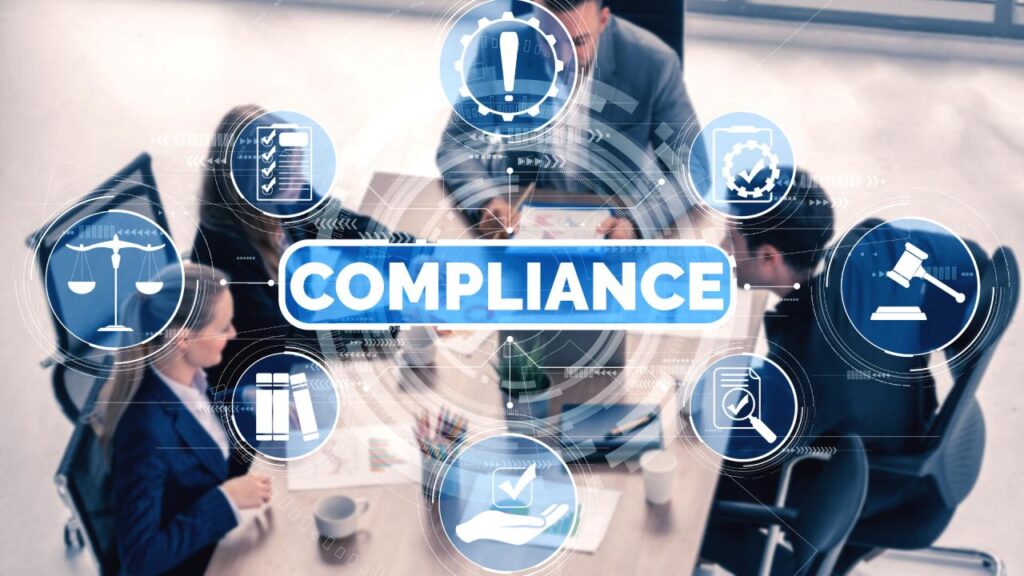
Compliances and certifications ensure that organizations follow environmental and social standards set by laws or regulatory bodies. This involves reviewing processes, conducting audits, and documenting practices to show adherence. By meeting these standards, businesses reduce legal risks, promote sustainability, and build credibility. We guide clients through the entire process, making it easier to achieve and maintain compliance efficiently.
Environmental Approval / NOC
Environmental approval is a critical requirement for all major development and industrial projects. It ensures that proposed activities comply with environmental regulations. The process evaluates potential impacts on air, water, soil, and biodiversity. It also considers community health, safety, and social well-being. Environmental impact assessments are often required before approval is granted. Authorities carefully review project plans and technical documentation. Approval helps prevent damage to natural resources and ecosystems. Environmental audits identify compliance gaps and corrective measures.
Environmental Impact Assessment (EIA)
EIA helps decision-makers understand environmental consequences before approval. The process ensures sustainable development and resource protection. Baseline studies are conducted to assess existing environmental conditions. EIA includes both positive and negative impact analysis. Mitigation measures are proposed to minimize harmful effects. Public consultation is an important part of the process. It gives communities a voice in project decisions. Environmental audits identify compliance gaps and corrective measures.
Initial Environmental Examination (IEE)
It provides an early stage evaluation of project risks and opportunities. IEE examines impacts on air, water, soil, vegetation, and wildlife. The process also considers effects on human health and local communities. Baseline data is collected to understand existing environmental conditions. Possible negative impacts are identified through site surveys and analysis. Mitigation measures are proposed to address environmental risks effectively. Public consultation may be included depending on the project scale.
Environmental Management System/ Planning (EMS/EMP)
An Environmental Management System (EMS) or Environmental Management Plan (EMP) is a structured framework for managing environmental responsibilities. It helps organizations identify, monitor, and control their environmental impacts effectively. EMS sets clear objectives and targets for sustainability and compliance. It ensures proper waste management, pollution control, and resource conservation. The system integrates environmental practices into daily business operations. Regular audits and reviews improve accountability and performance. An EMP outlines strategies, responsibilities, and timelines for implementation.
Environmental Testing & Monitoring Program (EMP)
An Environmental Monitoring Program is a structured process used to track and evaluate environmental conditions over time. It plays a vital role in identifying changes caused by industrial, agricultural, and developmental activities. The program focuses on monitoring air, water, soil, and biodiversity to ensure environmental quality is maintained. Regular monitoring ensures strict compliance with national and international environmental laws. It provides early warnings of pollution and resource degradation before serious harm occurs. Data collected through monitoring supports better planning and decision-making.
Health & Safety Management Plan (HSMP)
A Health & Safety Management Plan is a systematic framework used to identify, assess, and control workplace health and safety risks. It plays a crucial role in preventing accidents, injuries, and occupational illnesses during project activities. The plan focuses on worker safety, use of protective equipment, emergency preparedness, and safe operating procedures. Regular safety inspections and training ensure compliance with national and international health and safety regulations. It provides early identification of hazards and unsafe conditions before serious incidents occur. Effective implementation of the plan promotes a strong safety culture and ensures the well-being of all workers throughout the project lifecycle.
Solid Waste Management
Solid waste management involves the systematic control of waste generation, handling, treatment, and disposal in an environmentally sound manner. It plays a vital role in minimizing environmental pollution and protecting public health. The process focuses on waste segregation, collection, storage, recycling, and safe disposal practices. Proper waste management ensures compliance with national and international environmental regulations. It helps reduce the volume of waste sent to landfills and promotes resource recovery. Effective implementation of solid waste management practices supports cleanliness, sustainability, and long term environmental protection.
Environmental Audit
The audit reviews policies, practices, and resource management strategies. Its primary aim is to reduce risks and harmful environmental impacts. Audits generally cover air, water, soil, waste, and energy use. They assess the efficiency of operations and resource consumption. Through this process, gaps in compliance and performance are identified. Corrective and preventive measures are recommended to address shortcomings. Environmental audits ensure that sustainability goals are consistently met. They involve reviewing permits, records, and monitoring reports in detail. Site inspections are often carried out to validate findings.
Compliances / Certifications (Environment & Social)
Compliances and certifications ensure that organizations follow environmental and social standards set by laws or regulatory bodies. This involves reviewing processes, conducting audits, and documenting practices to show adherence. By meeting these standards, businesses reduce legal risks, promote sustainability, and build credibility. We guide clients through the entire process, making it easier to achieve and maintain compliance efficiently.